The mechanics of traditional baccarat and historical card table games reveal a fascinating structural design that has stood the test of time. Long before digital systems managed gameplay, traditional card rooms operated on precise manual rules that determined the speed and finality of every deal. Understanding how final values are computed without modern modifications provides important insights into classical gaming history.
The Core Logic of Traditional Card Evaluation
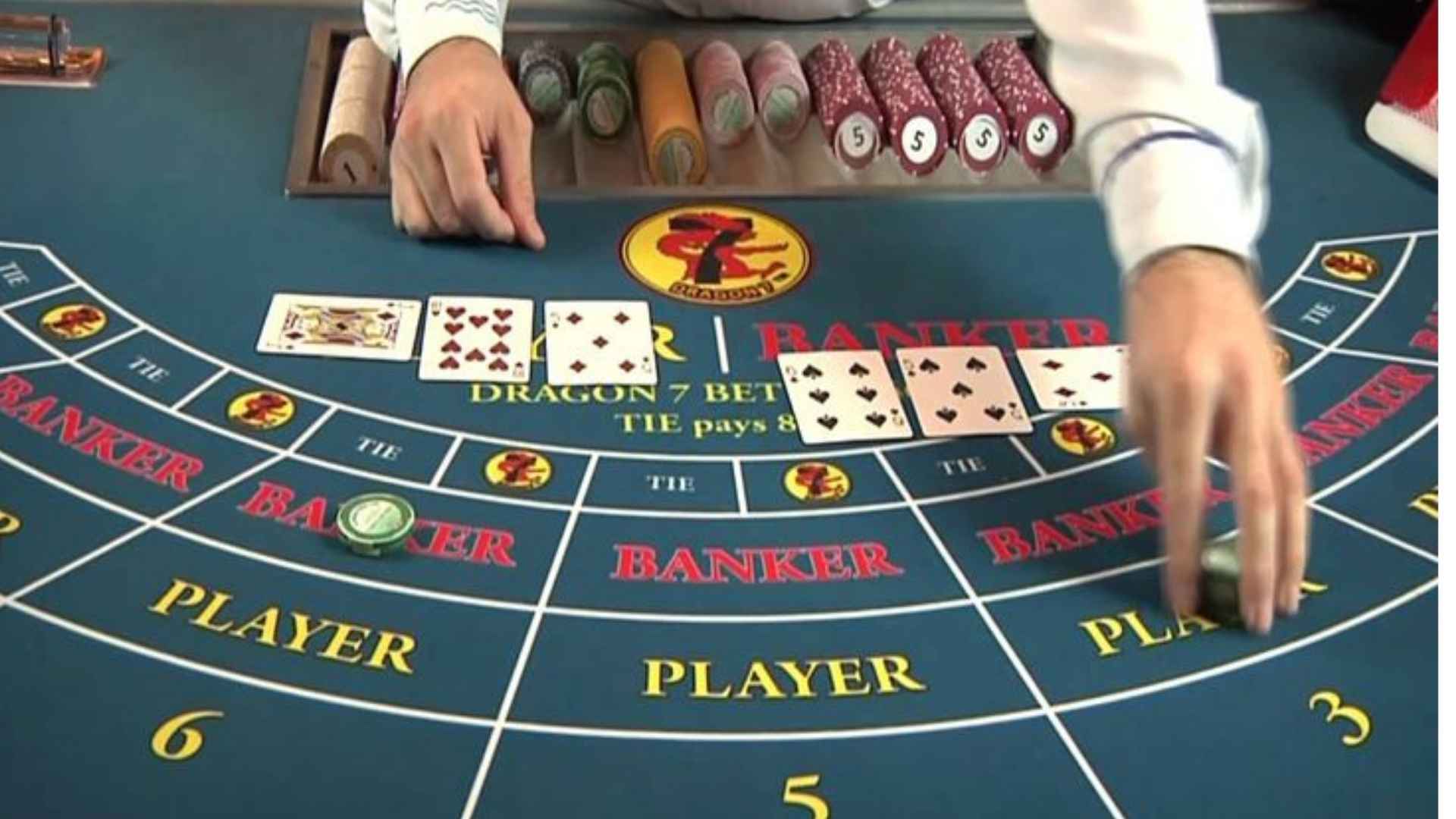
In classical table formats, calculating the final total relies entirely on a single-digit numbering system that eliminates the tens place. Face cards and tens carry a value of zero, while aces represent one point and numbered cards retain their face value. When the combined sum of a hand reaches a two-digit number, the first digit is dropped to reveal the official total.
For instance, a hand consisting of a seven and an eight would traditionally add up to fifteen, but under these rules, the final score becomes five. This straightforward calculation methodology ensures that the highest possible score achievable on the table is always nine. Because of this unique mathematical framework, players historical computed their positions quickly without relying on specialized scoring equipment.
The Immediate Resolution of Natural Hands
A significant aspect of traditional rules is the immediate declaration of a winner when a natural total appears on the initial deal. If either the player or the banker side receives a starting two-card combination that equals eight or nine, the round stops instantly. This rule overrides all subsequent drawing procedures, preventing further tactical decisions or modifications to the table setup.
This sudden finality created an intense psychological atmosphere in early European gambling salons, where large stakes could be resolved in seconds. The historical priority given to natural totals reflects a desire for clean, definitive outcomes that minimized extended disputes at the table. By keeping the initial evaluation strict, traditional venues maintained an efficient and transparent operational rhythm.
Shifting Systems and Third Card Mandates
When neither side achieves a natural total on the opening deal, traditional frameworks utilize a strict set of conditional mandates to determine if a third card is required. The player hand must always act first, automatically standing on totals of six or seven, but receiving an additional card if the sum falls between zero and five. Once the player choice is resolved, the banker side evaluates its own total based on a highly structured matrix of dependencies.
Modern enthusiasts looking to explore how these ancient rule sets translate into interactive digital environments can visit m88 cá cược trực tuyến to observe automated variations. These contemporary platforms preserve the exact mathematical relationships established centuries ago while streamlining the calculation process for global participants. Observing these live sequences helps clarify how minor tactical shifts alter the final distribution of table funds.
The Enduring Influence of Classical Custom
Uncovering how final totals are determined under traditional rules reveals a sophisticated balance between rigid mathematical structures and human observation. While modern casinos have largely standardized these procedures to maximize transaction velocity, the underlying logic remains completely unchanged. This historic consistency explains why classical card systems continue to command deep respect from analytical enthusiasts worldwide.