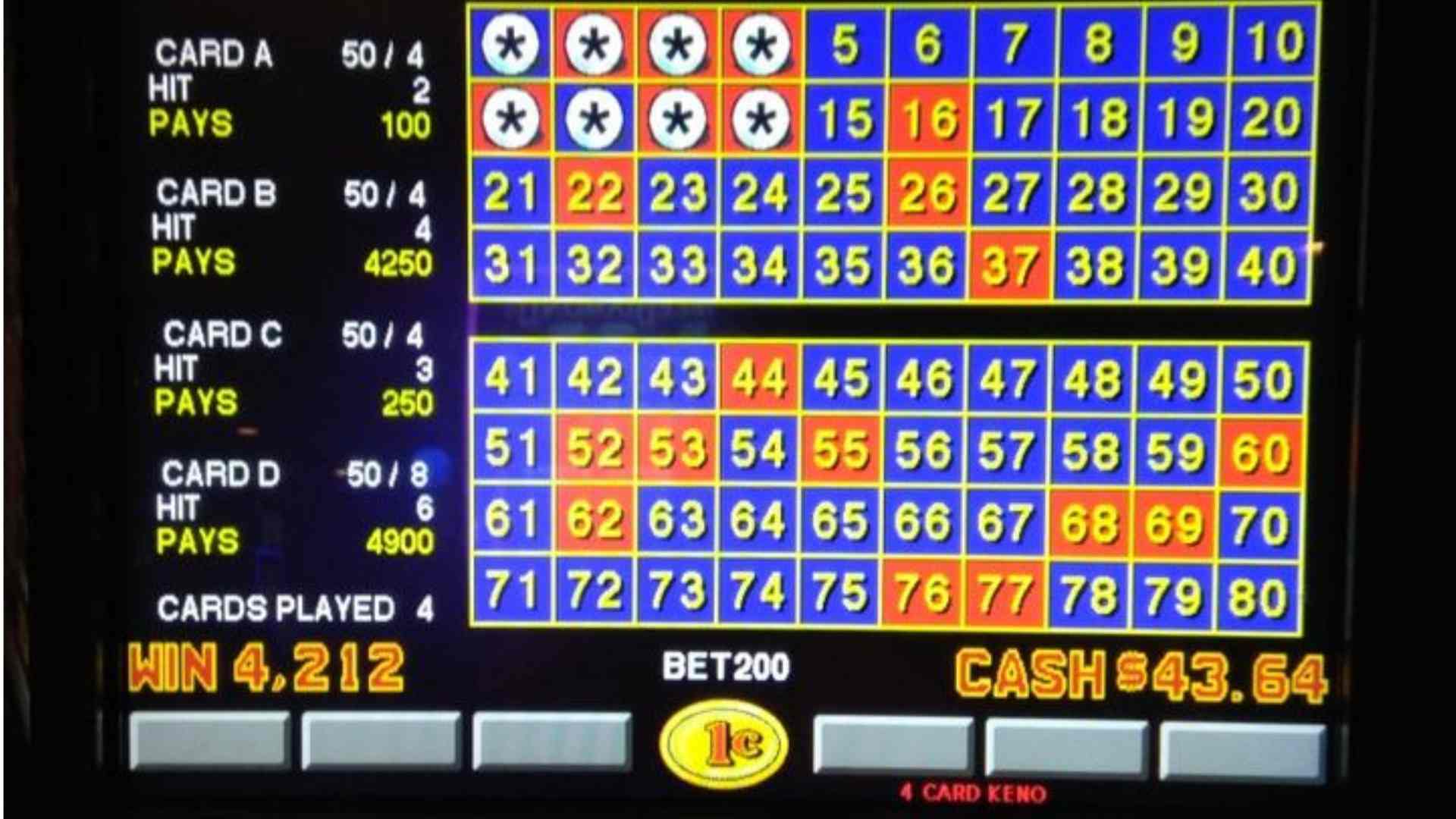
Keno is a classic casino game that captivates players with its simple lottery-style mechanics and rapid pace. While many participants view the game as a test of pure luck, a complex web of mathematical and technological systems operates behind the scenes. Understanding how these elements combine provides deep insight into the structural fairness and absolute predictability of modern rounds.
Mechanics of Modern Randomness
In digital environments, the outcome of every single draw is determined by a highly sophisticated system known as a Random Number Generator. This electronic algorithm processes advanced mathematical formulas continuously to ensure that every sequence of numbers is entirely independent of the last. Because these calculations occur at lightning speed, players can be confident that human biases or physical imperfections never influence the final results.
Traditional brick-and-mortar venues, on the other hand, frequently rely on physical equipment like blower machines to mix and select numbered balls. While the visual experience feels completely different, the underlying physics ensures a level of chaos that mimics electronic randomness perfectly. Both methods are heavily regulated by independent testing agencies to verify that the mathematical integrity remains perfectly intact over millions of consecutive rounds.
Probability and the Law of Large Numbers
The mathematical foundation of keno relies on standard probability principles, where twenty numbers are drawn from a complete pool of eighty. Calculating the likelihood of matching specific spots reveals that individual outcomes follow predictable statistical distributions. Knowing these ratios allows participants to manage their long-term expectations and appreciate the core balance between risk and reward.
A common misconception among casual players is that past drawings can somehow predict or influence the numbers chosen in future sessions. In reality, the law of independent events dictates that every new draw resets the mathematical landscape completely. Secure digital platforms provide transparent paytables so that players can easily evaluate their prospects before executing an m88 asia login to start a session.
The Cognitive Psychology of Random Selection
Human psychology plays a fascinating role in how individuals interact with the unpredictable outcomes of number-based draws. Many regular participants naturally develop specific habits, such as relying on personal lucky numbers or avoiding spots that appeared in recent games. While these practices can make the gaming experience far more engaging, they have absolutely no impact on the mathematical probability of winning.
The human brain is naturally wired to recognize patterns, even within systems that are built entirely on pure chance. This cognitive behavior explains why myths surrounding hot and cold numbers persist despite decades of empirical evidence proving the contrary. Acknowledging these psychological traps helps fans enjoy the fast-paced entertainment value responsibly while maintaining strict control over their budgets.
Ensuring Regulatory Fairness and Security
To maintain public trust, modern gaming operators must subject their drawing mechanisms to continuous auditing and rigorous compliance checks. Independent licensing authorities meticulously verify that the software and hardware setups remain completely secure from external manipulation. These detailed protocols guarantee a level playing field for every participant, regardless of whether they choose manual picking or automated quick selections.
Ultimately, the science of keno draws showcases how mathematical perfection and modern technology merge to deliver sustainable entertainment. By prioritizing transparency and strict regulatory standards, contemporary platforms ensure that the thrill of the draw remains fair for audiences worldwide. Embracing this analytical perspective transforms how casual fans understand and enjoy this timeless numbers game.